Borosilicate 3.3 vs Soda-Lime Guide →
Thermal shock mechanics (ΔT ≥ 150°C), hydrophobic silicone pressure-vent seals, and dishwasher durability.
ISTA-1A Drop-Test Packaging Protocol →
4-tier packaging architecture, odorless high-density EPE pearl cotton, and 10-drop impact testing standards.
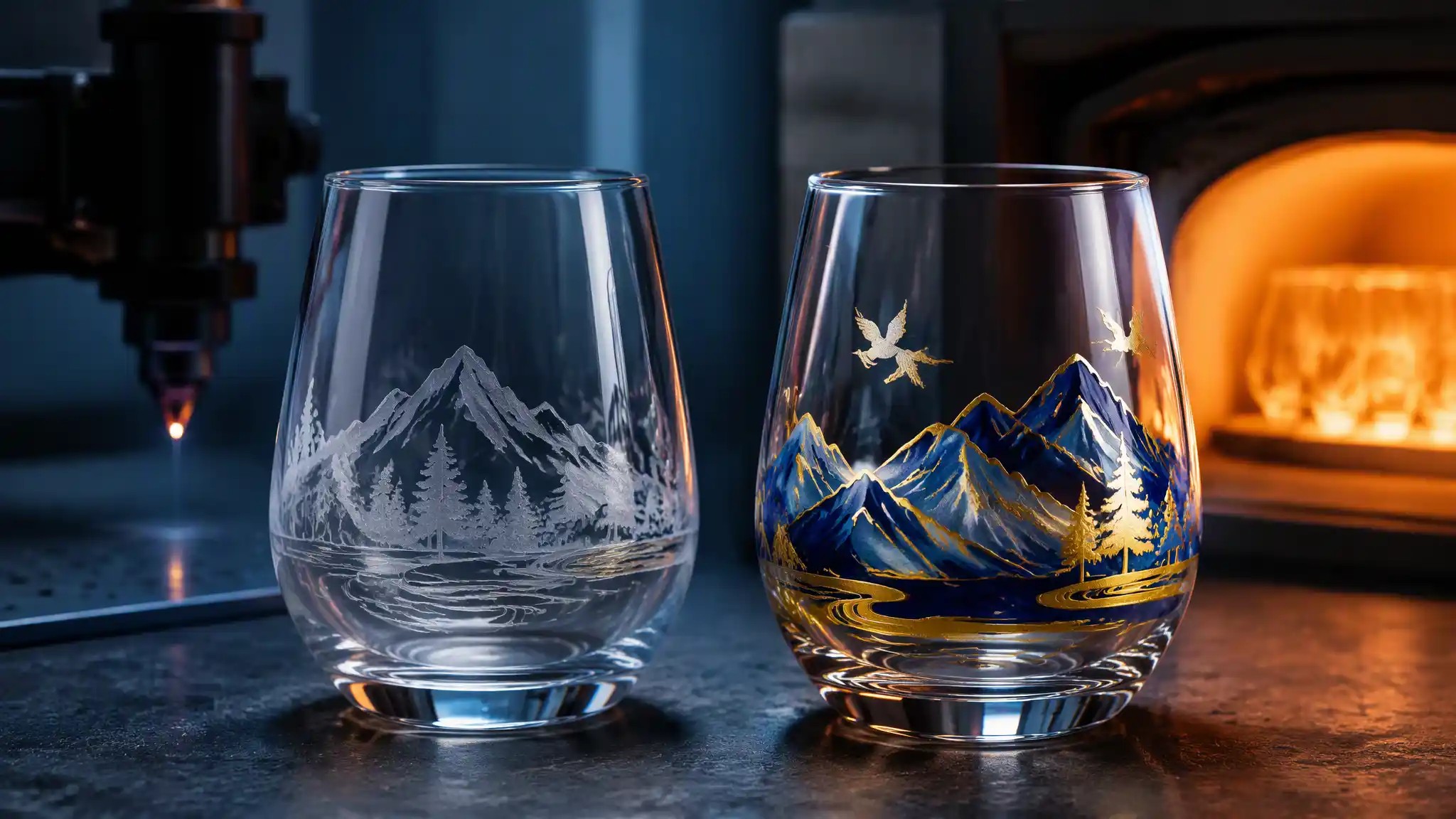
Technical evaluation of 580°C kiln-fired ceramic decals (1,000+ commercial wash resistance) versus precision 3D surface laser etching for corporate VIP gift sets.

Standard multiplier formulas (3× seating capacity for rocks, 2.5× for stemware) to avoid rush restocking and manage breakage reserve budgets.
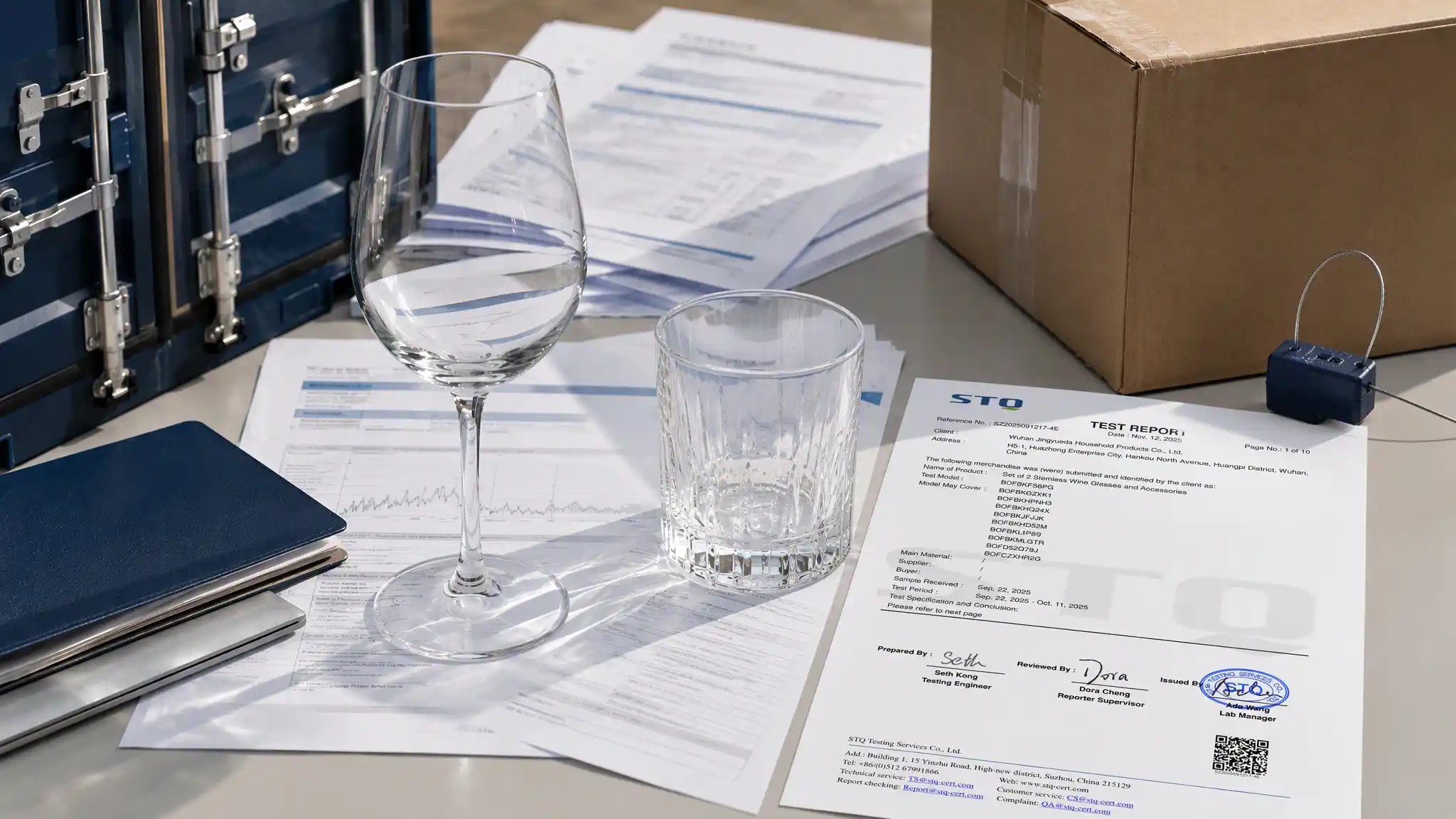
Navigating FDA CPG 545.400, California Proposition 65 leachable lead limits (STQ Report SZ2025091217-4E), and EU LFGB food safety dossiers for smooth port release.
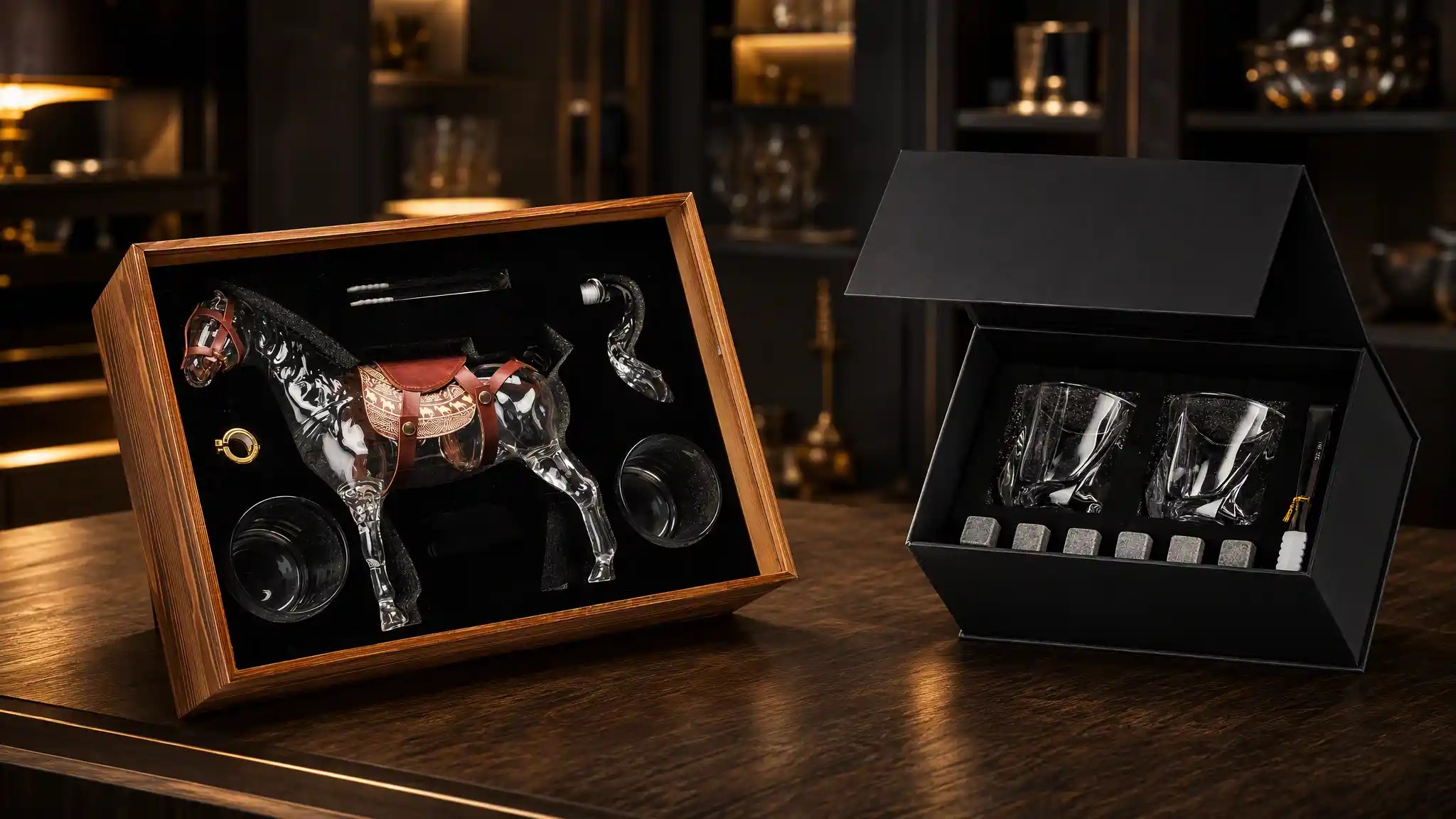
Comparing solid pine wooden chests, magnetic rigid book boxes, and odorless EPE pearl cotton inserts under standardized 1.2-meter drop test protocols.

Compare COE 3.3 thermal shock resistance (-20°C to 150°C), impact toughness, mold costs, and ideal use cases between double-wall and soda-lime glass.
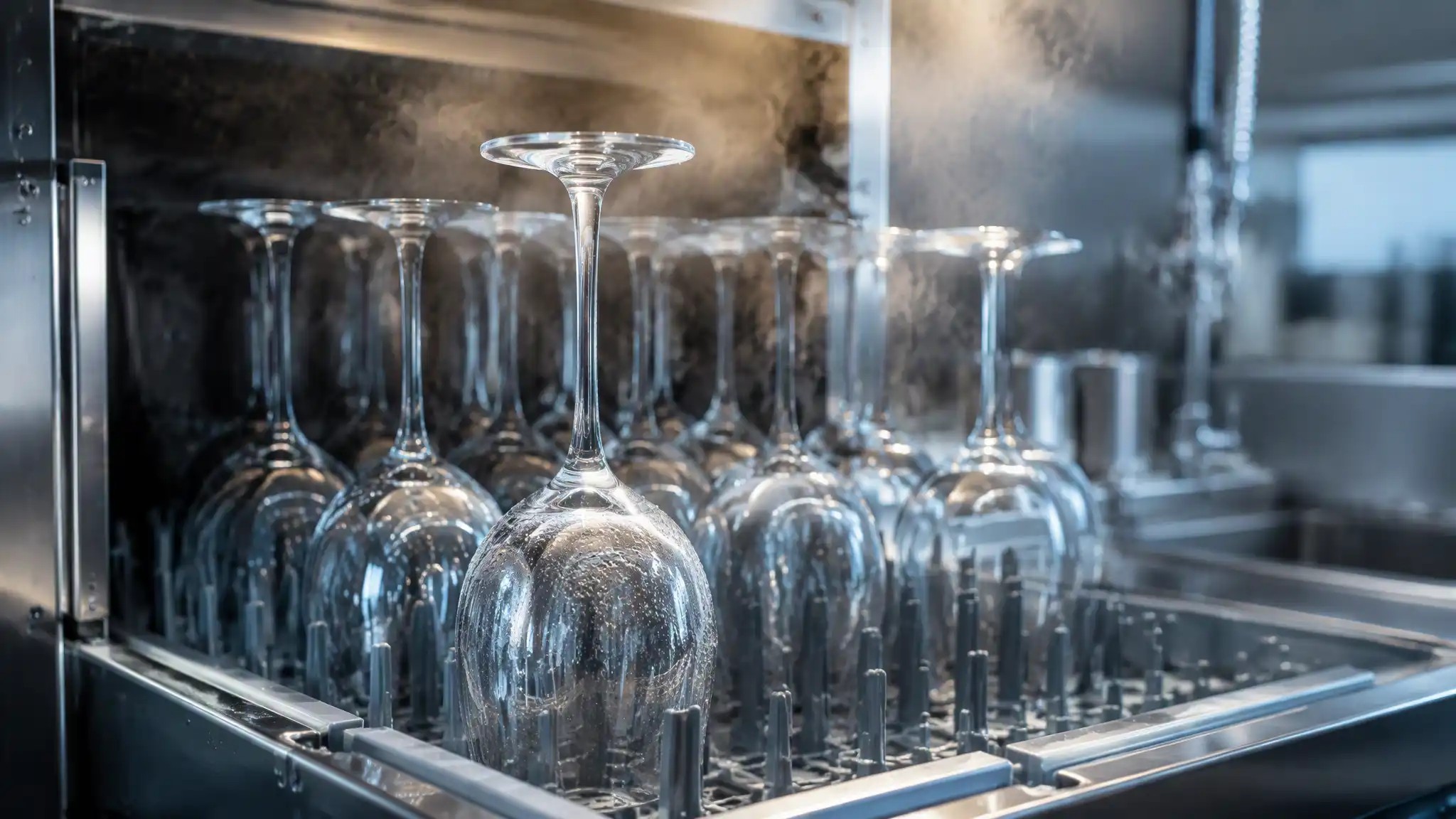
Demystifying thermal shock limits, alkaline detergent clouding, and 1,000+ cycle industrial dishwashing SOPs for high-volume hotels and fine-dining restaurants.

Explore the metallurgical and physical reasons behind heavy-base tumblers: lowering center of gravity, retarding ice melting, and enhancing durability.

Accelerate bespoke glassware tooling: 48h DFM engineering review, 1:1 SLA resin hand prototypes, sample mold blowing, and 100% mold rebate terms.

Comparing 580°C kiln-fired ceramic decals, laser micro-etching, hand-painted 24K gold rims, and acid frosting by dishwasher durability and MOQ.
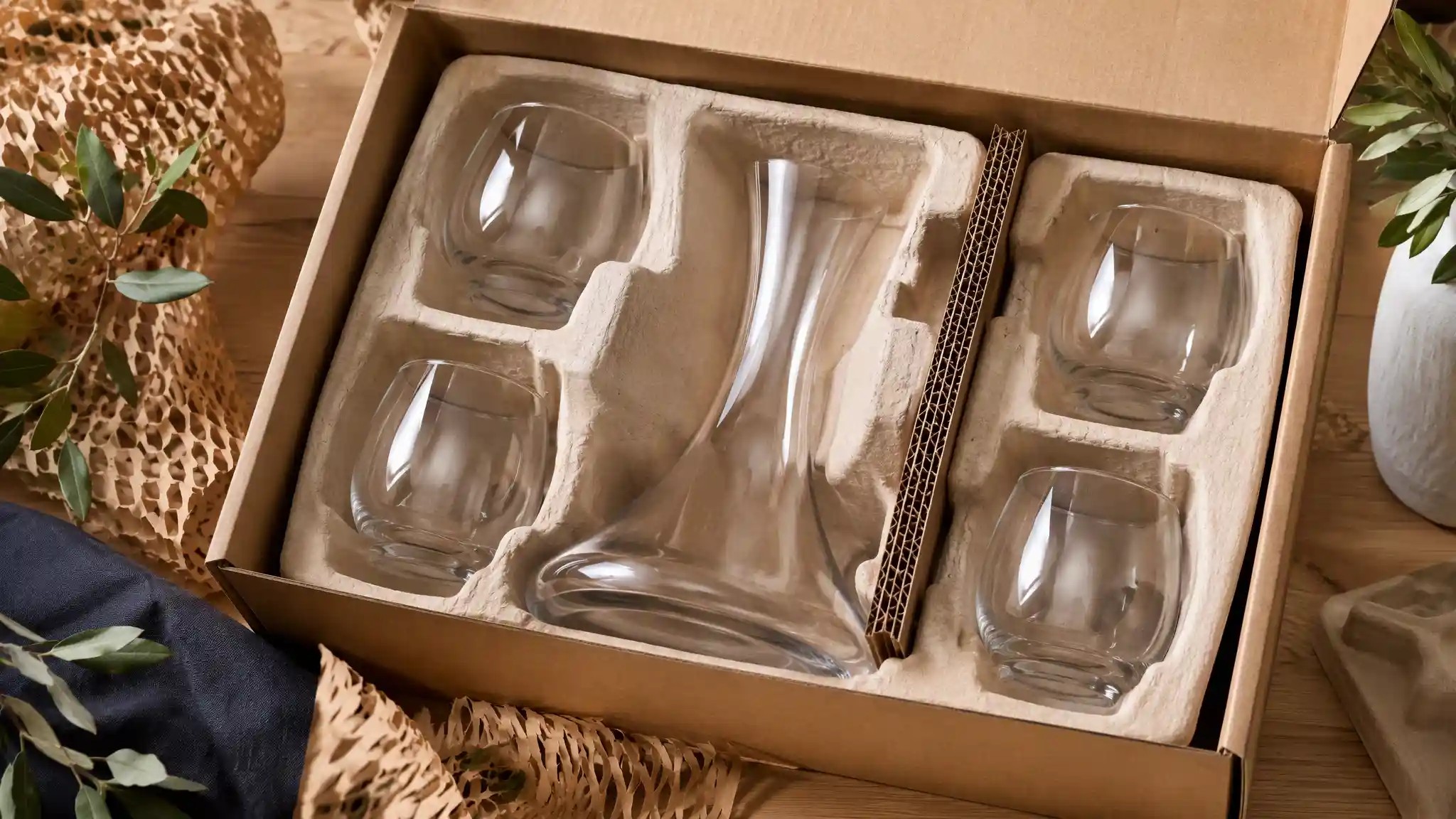
How European distributors achieve 100% curbside recyclable packaging using molded sugarcane pulp and FSC paperboard while passing ISTA-1A drop tests.
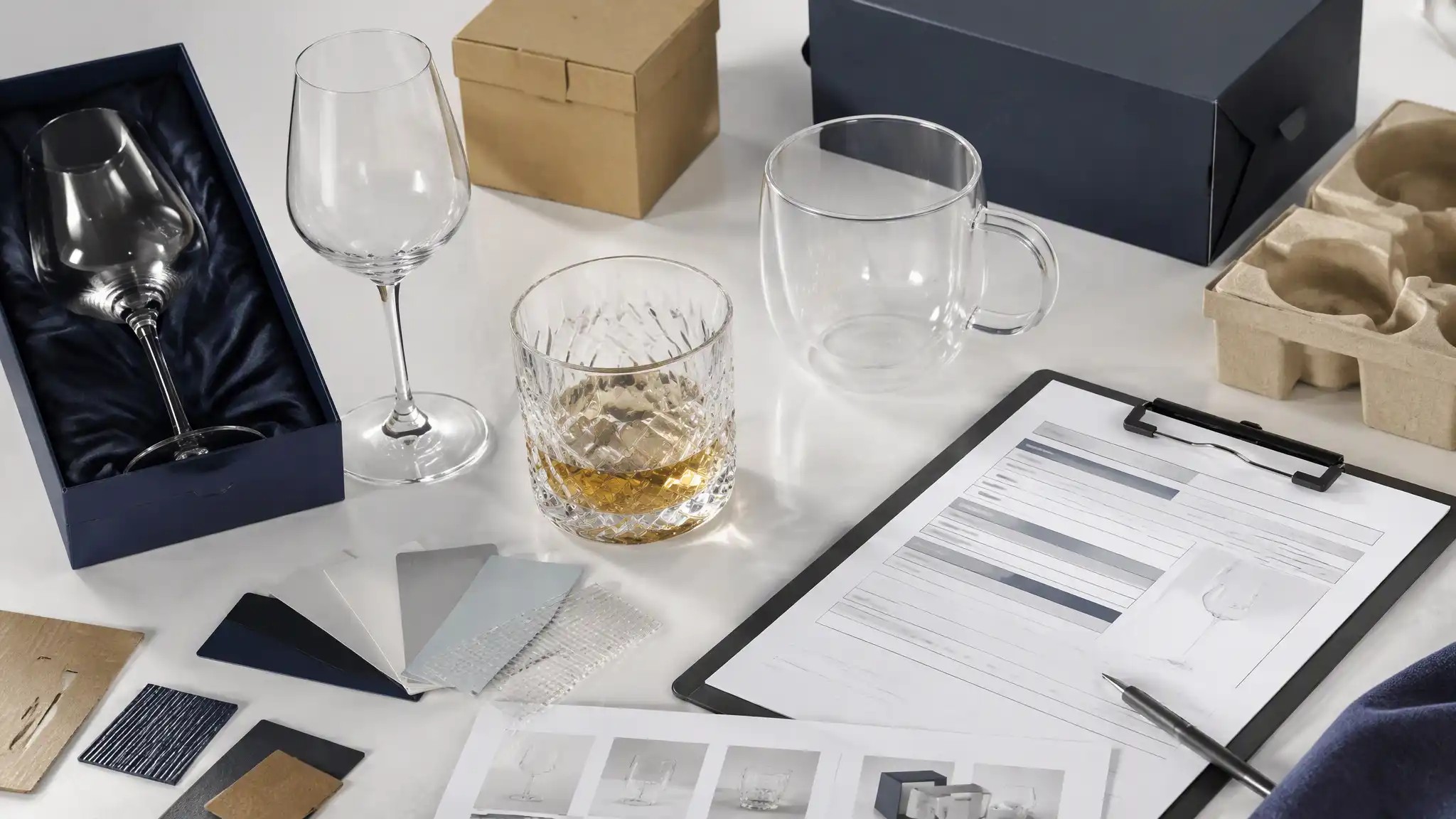
Understanding manufacturing variables, volume scaling, decoration, and packaging drivers that determine custom glassware project costs.
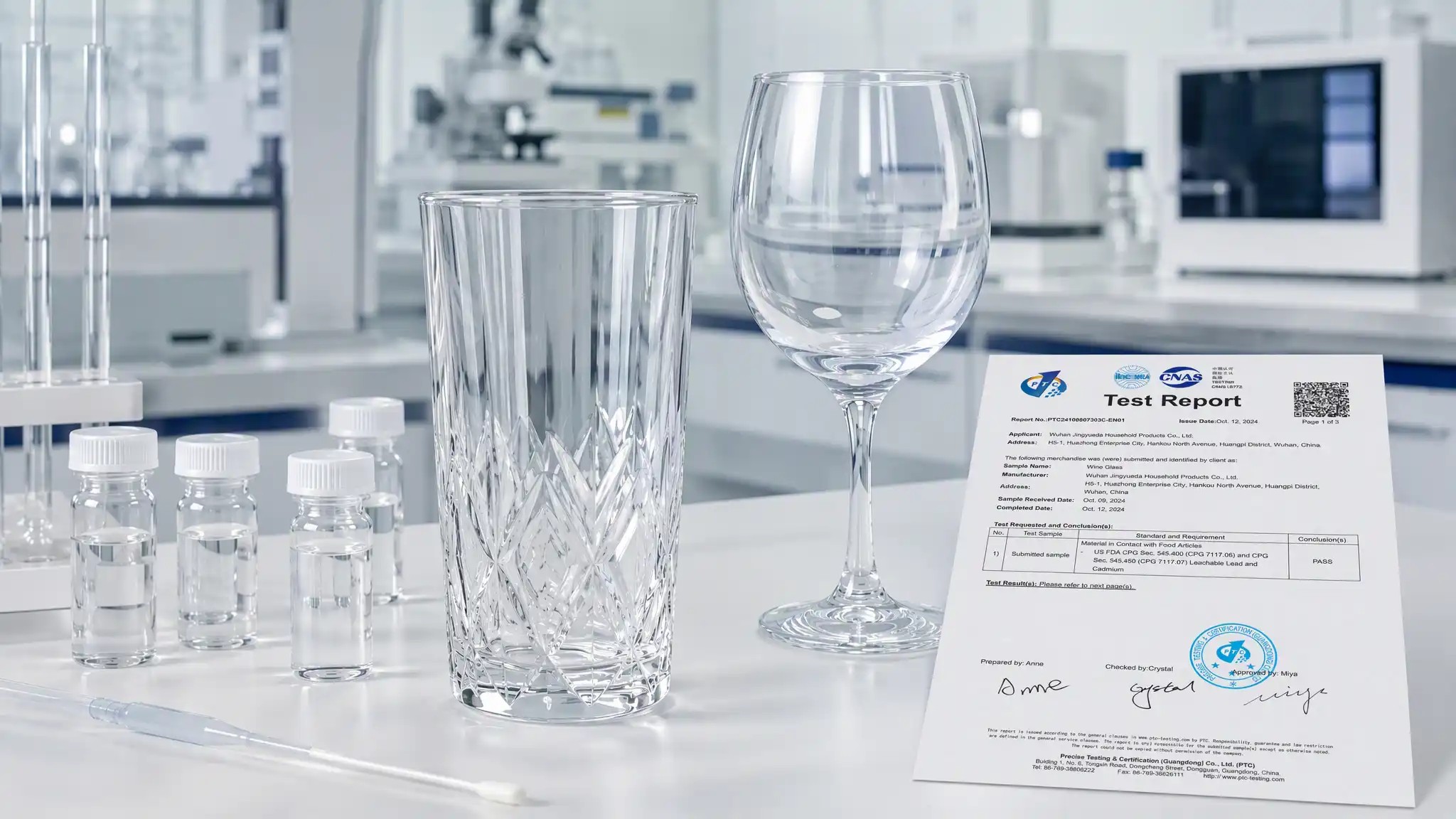
Testing protocols for lead and cadmium leachable limits under ASTM C738 and FDA CPG 7117.06 with lab report accreditation.
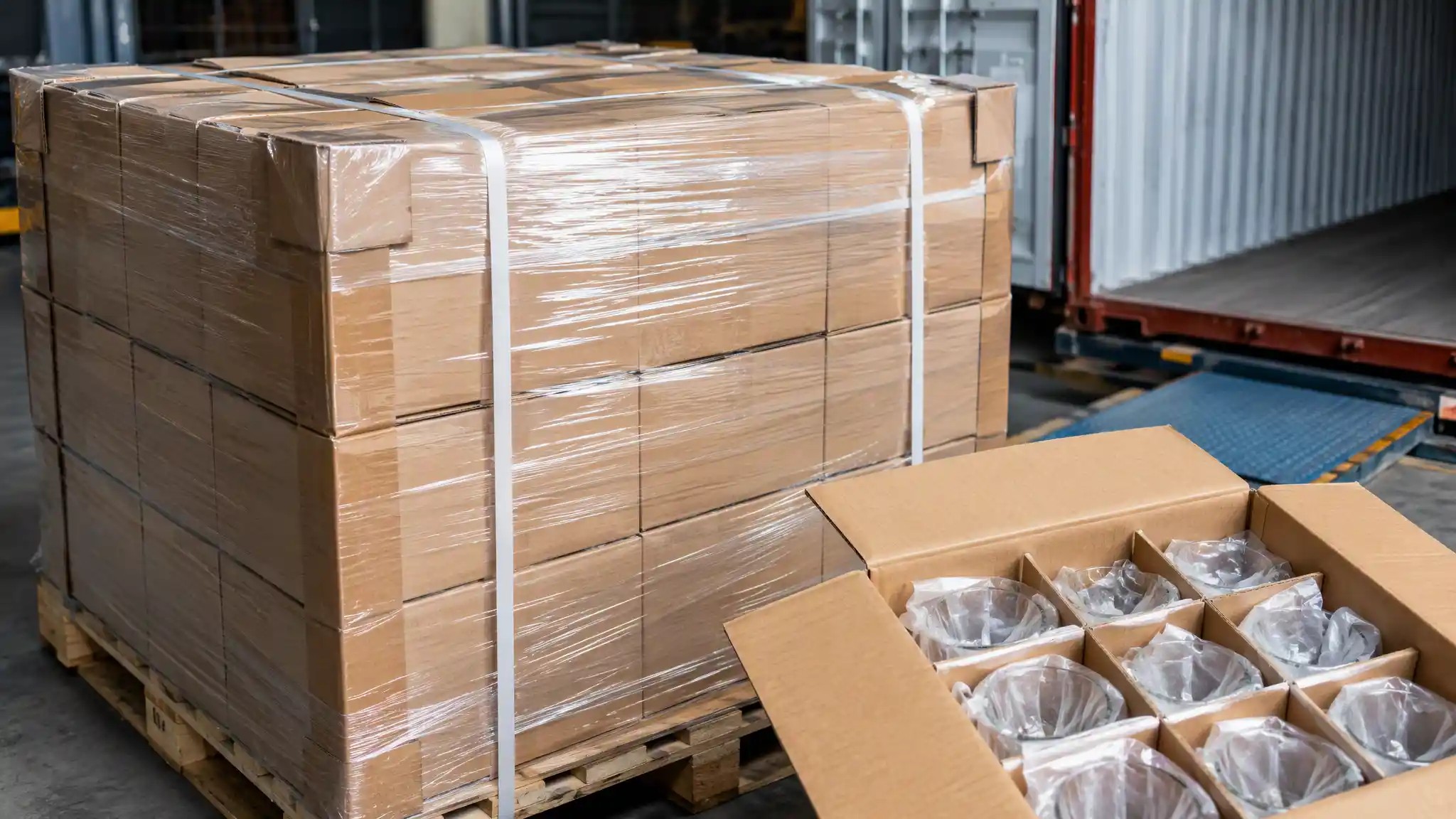
Master carton partition engineering, shrink-wrapped pallet strapping standards, container desiccant formulas, and 0% ocean freight breakage SOP.
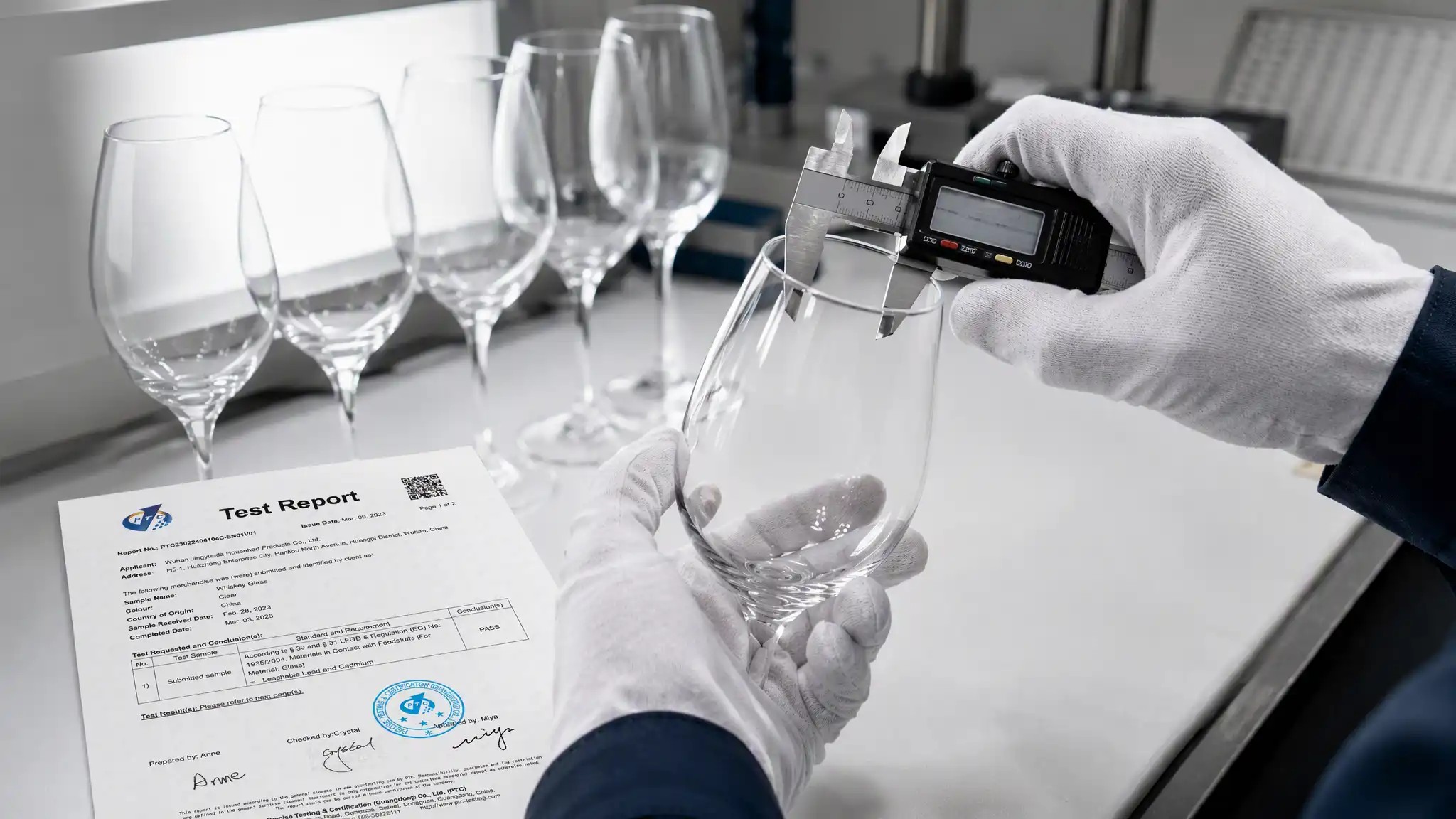
Defining Critical (0.0), Major (1.5), and Minor (4.0) defects in machine-blown and hand-crafted crystal glassware under ISO 2859-1 standards.
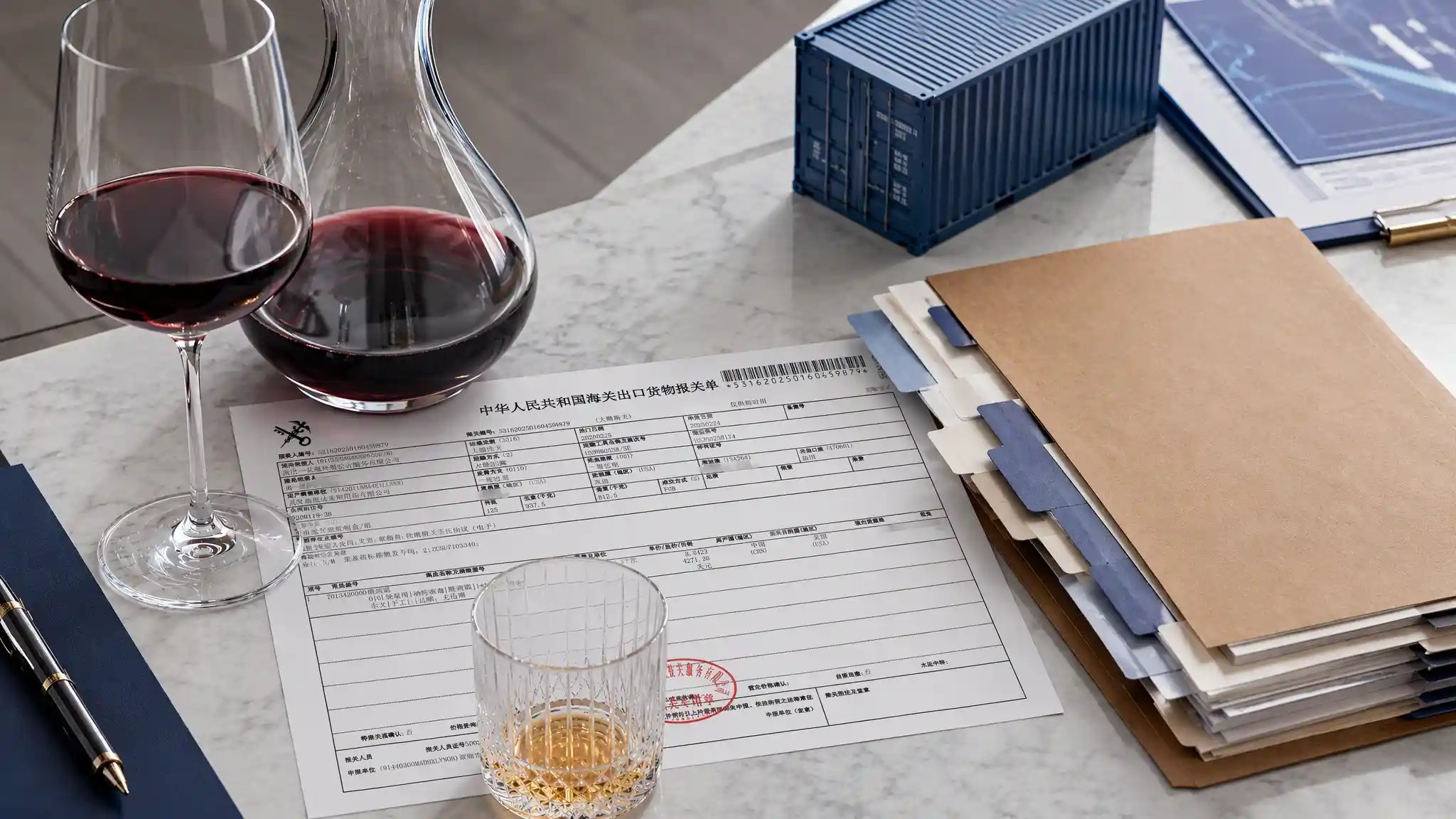
Navigating HS 7013.28, 7013.37, and 7013.99 for commercial drinking glasses, lead-free crystal stemware, and decorative decanters across US and EU customs.
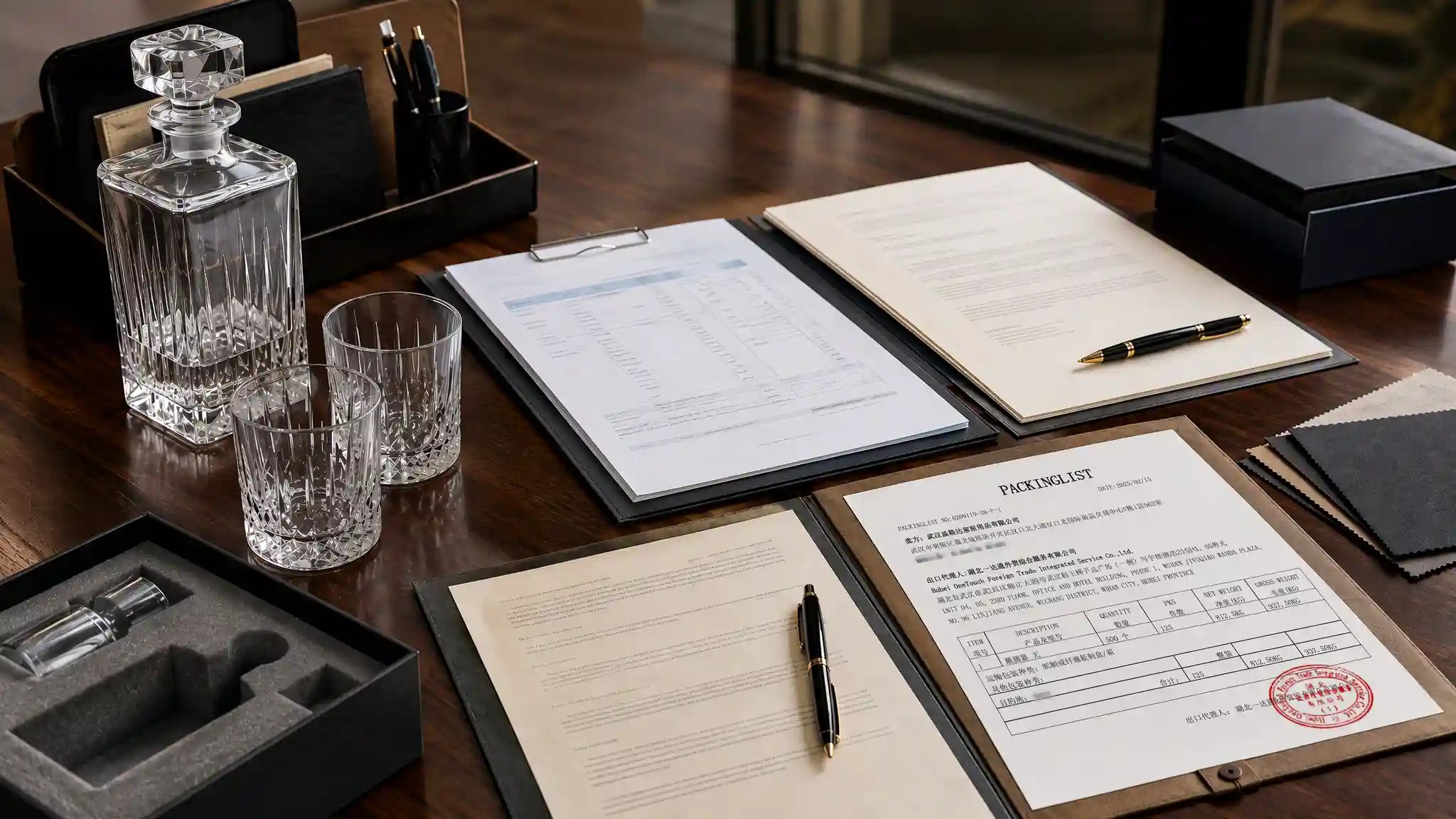
Understanding Incoterms (FOB/CIF/DDP), payment milestones, tooling amortization clauses, and defect credit terms in international glassware contracts.
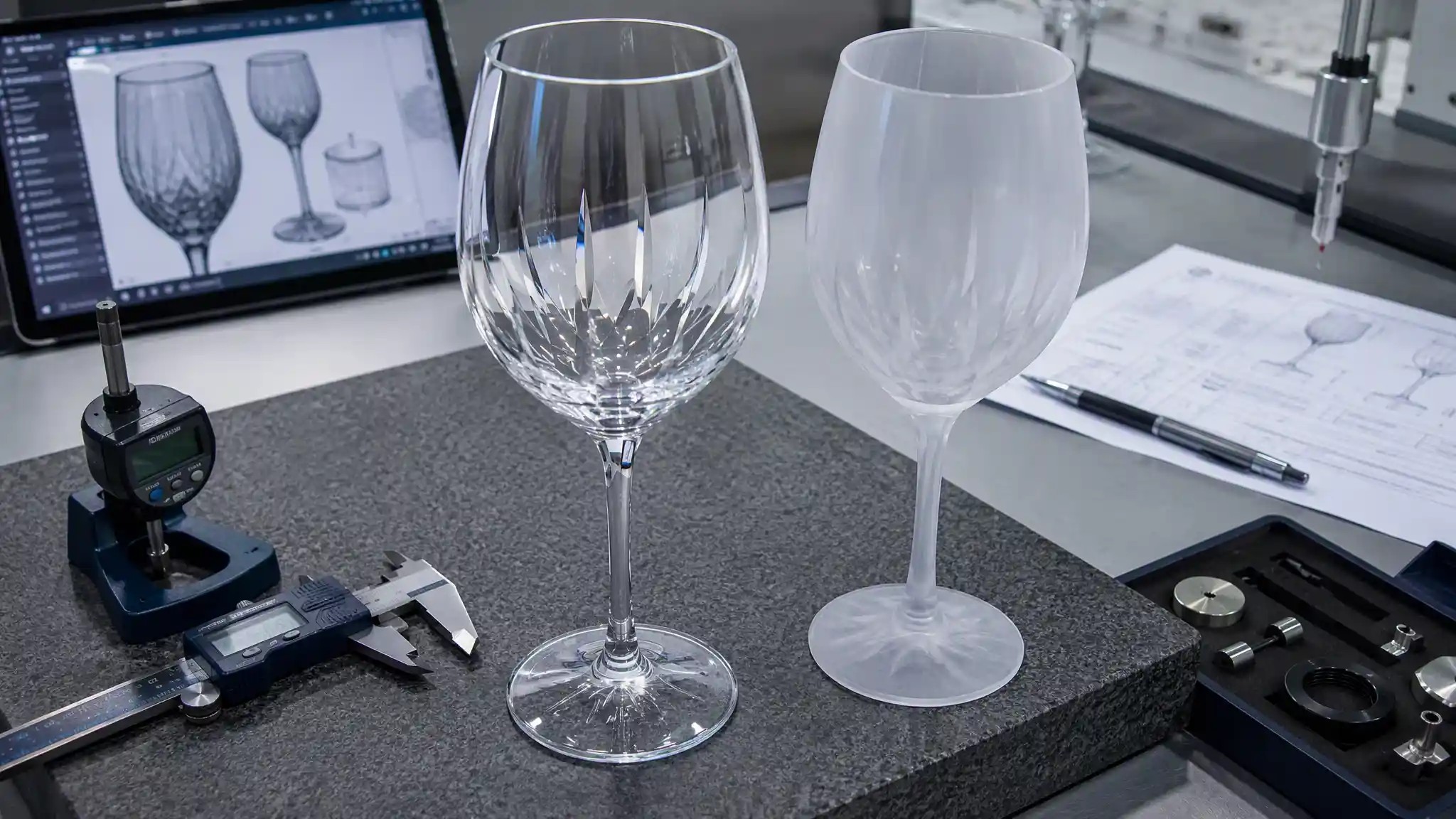
Step-by-step checklist for evaluating sample clarity, weight, wall thickness, logo registration, and dishwasher durability before mass production.
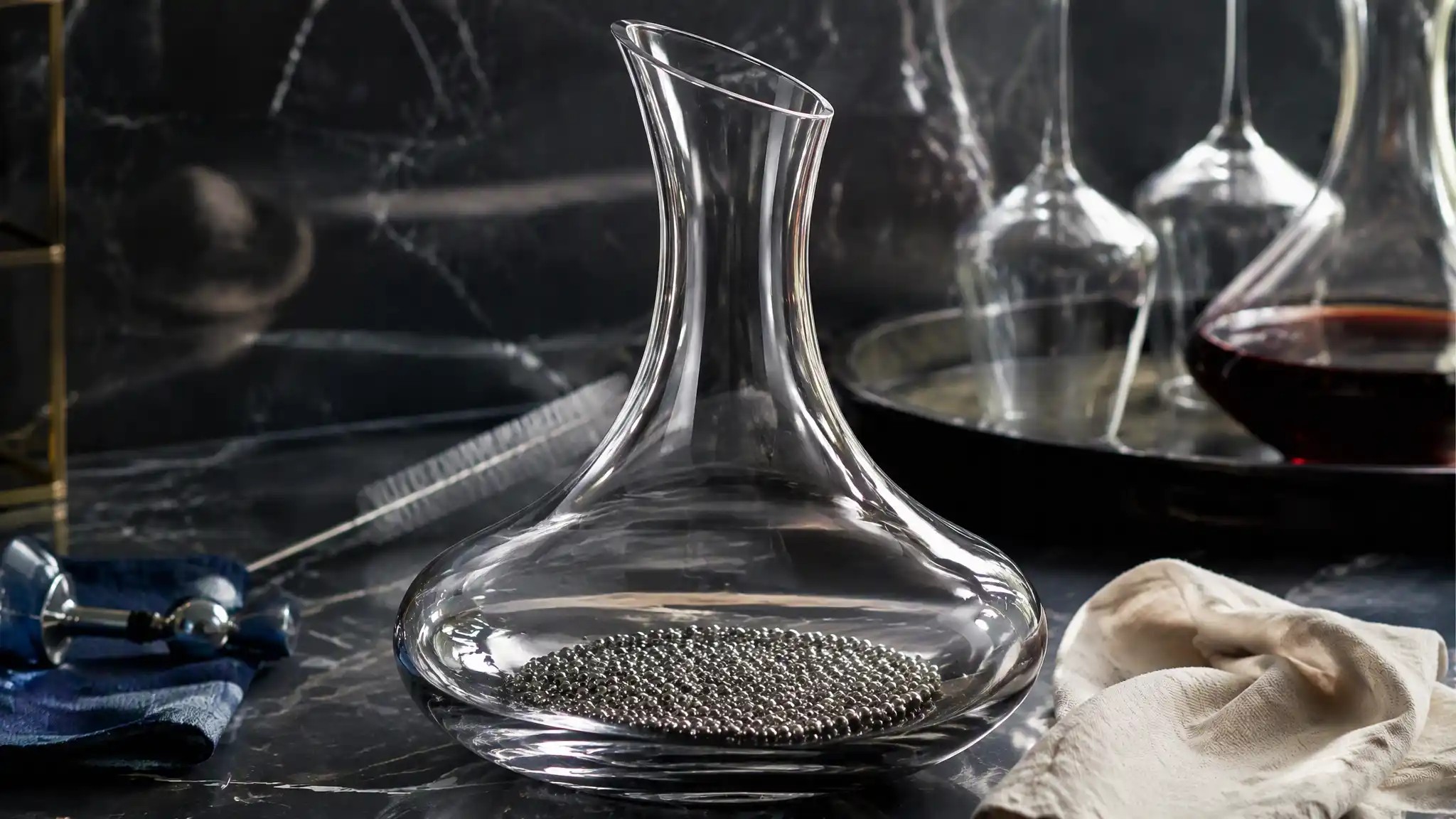
Professional sommelier techniques for removing tannin stains, utilizing stainless steel cleaning beads, and streak-free air drying.

Curating glassware SKUs by beverage menu: water tumblers, wine stems, cocktail coupettes, beer steins, and bar caddy accessories.
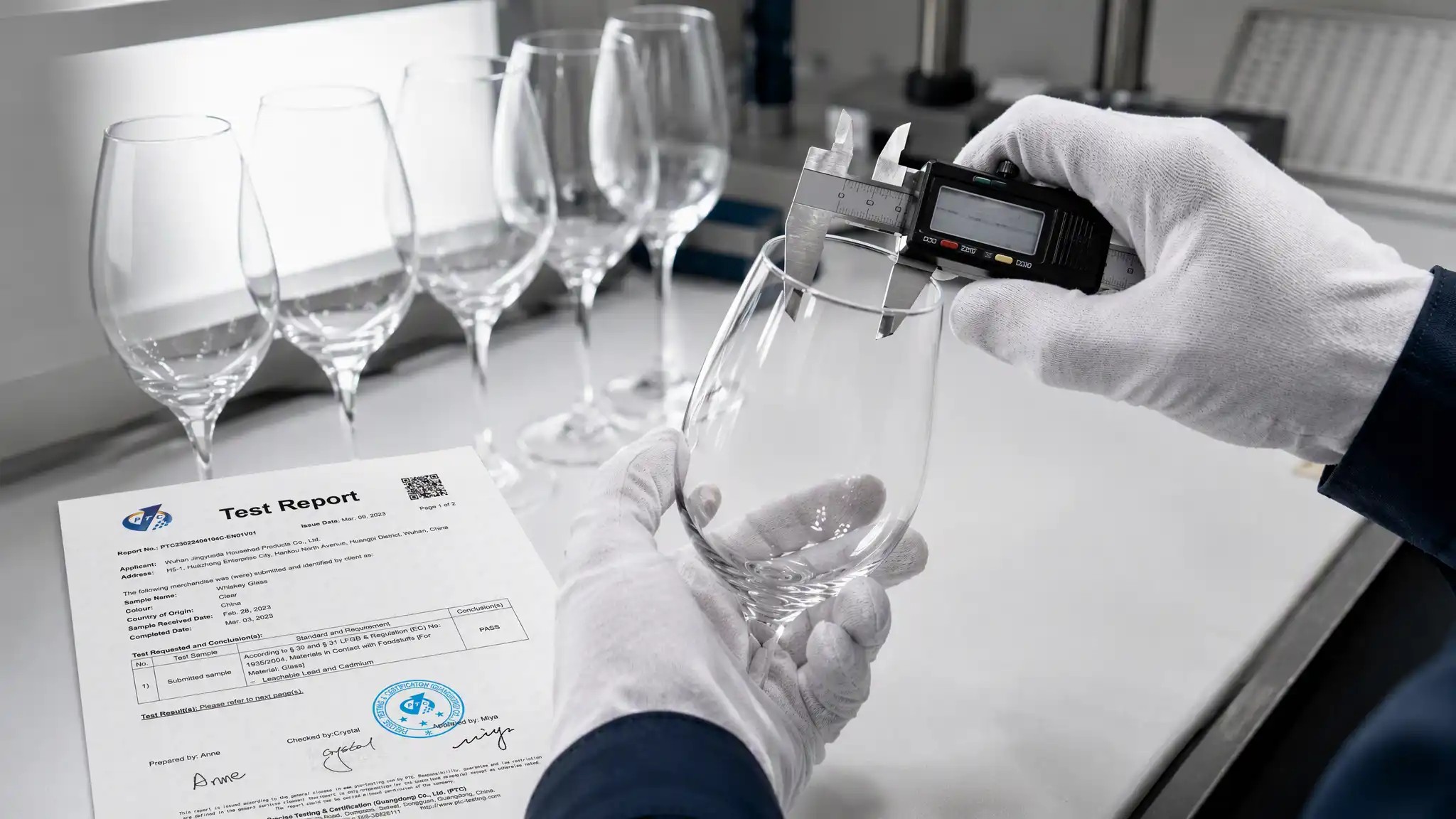
Inspection points for thermal shock resistance, rim smoothness, bottom stability, logo rub-off tests, and barcode scannability.
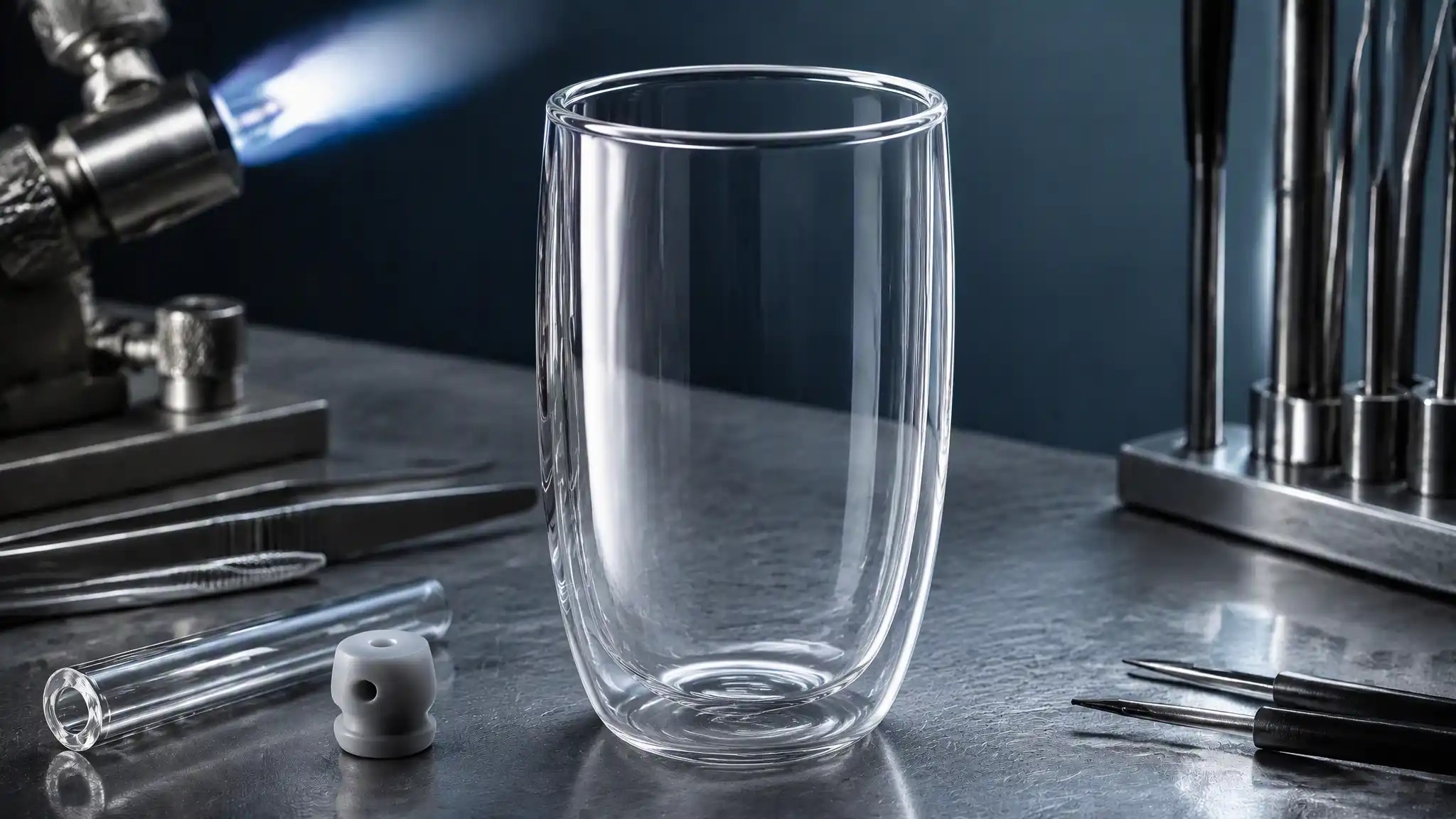
Deep dive into manual flame-sealing, hydrophobic silicone vent valves, and dishwasher safety for double-wall borosilicate coffee mugs.
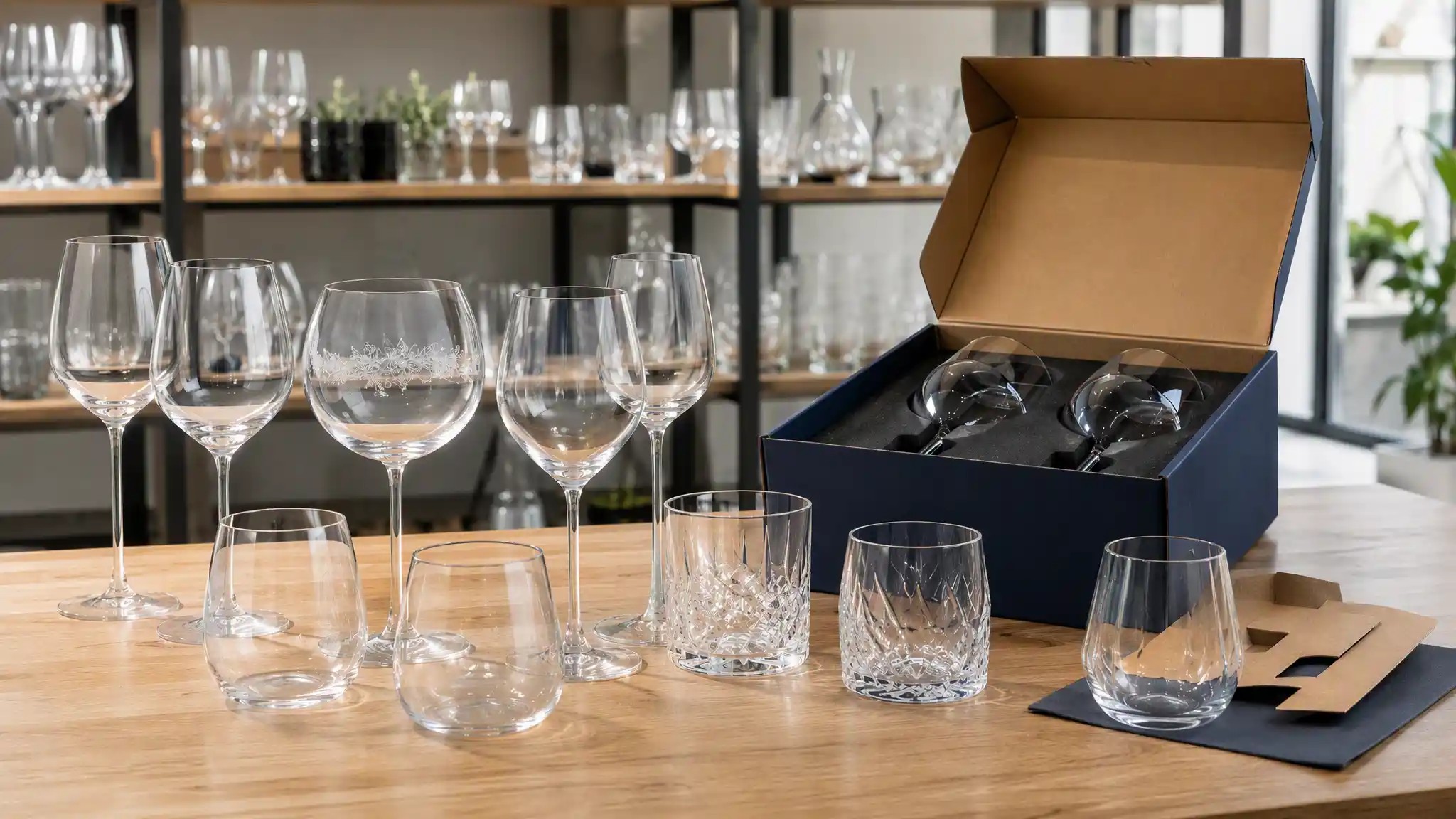
Why automated machine lines require 3,000–5,000 pcs while in-stock blank laser engraving allows flexible 24–48 set trial orders.
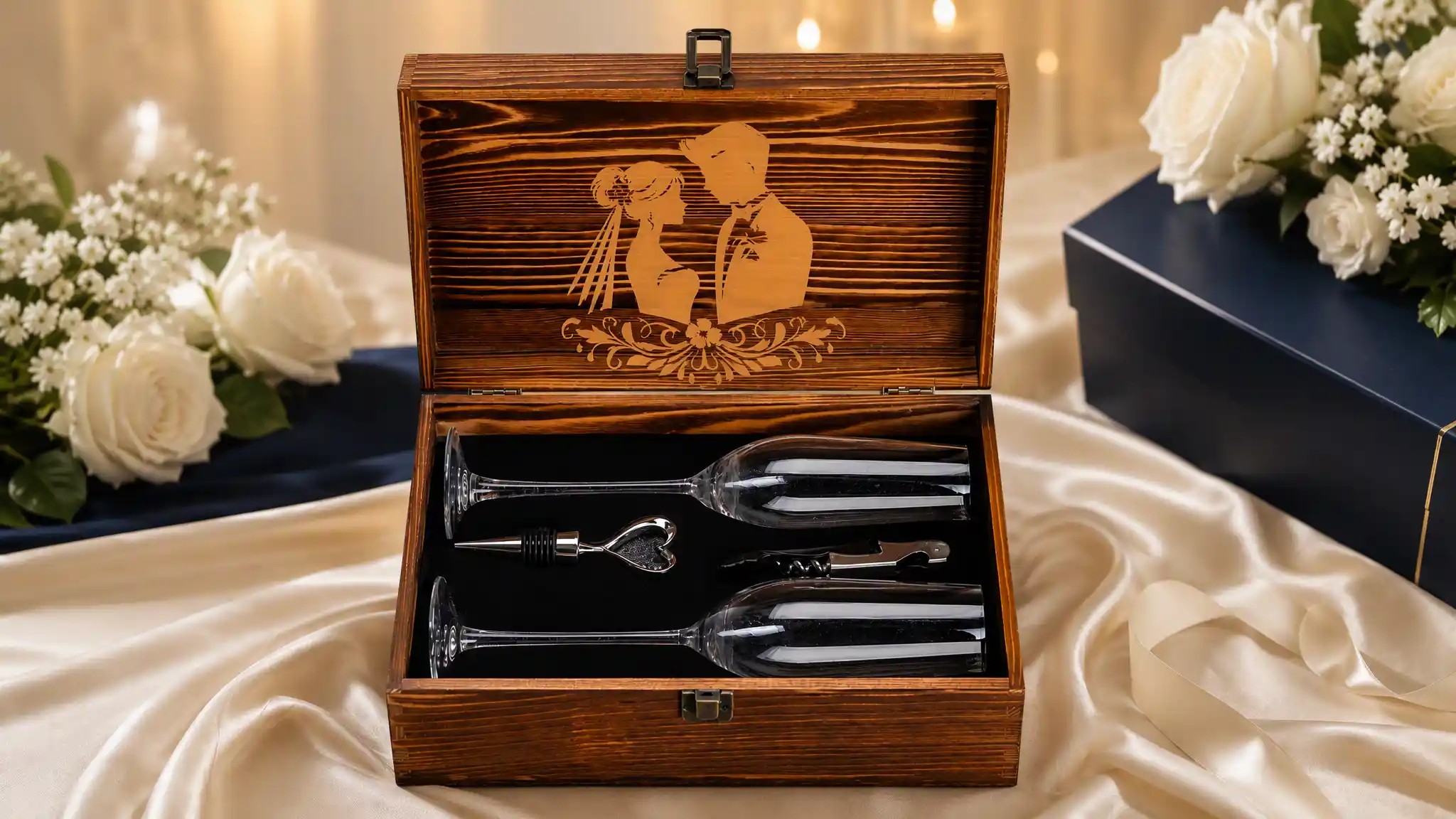
Designing personalized champagne flute favors, printed stemless wine glasses, and commemorative gift sets for luxury event planners.