Borosilicate vs. Soda-Lime Glass: Which Is Best for Your Drinkware Line?
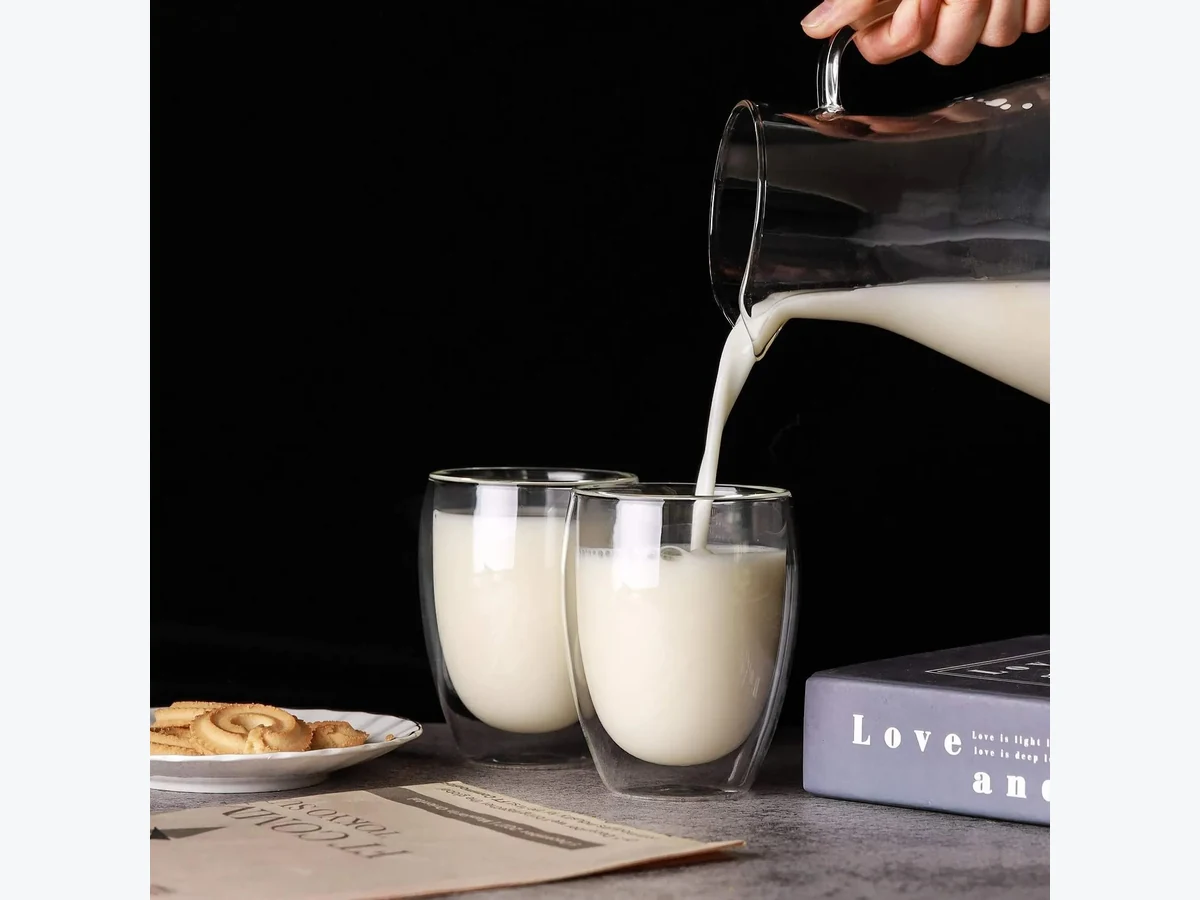
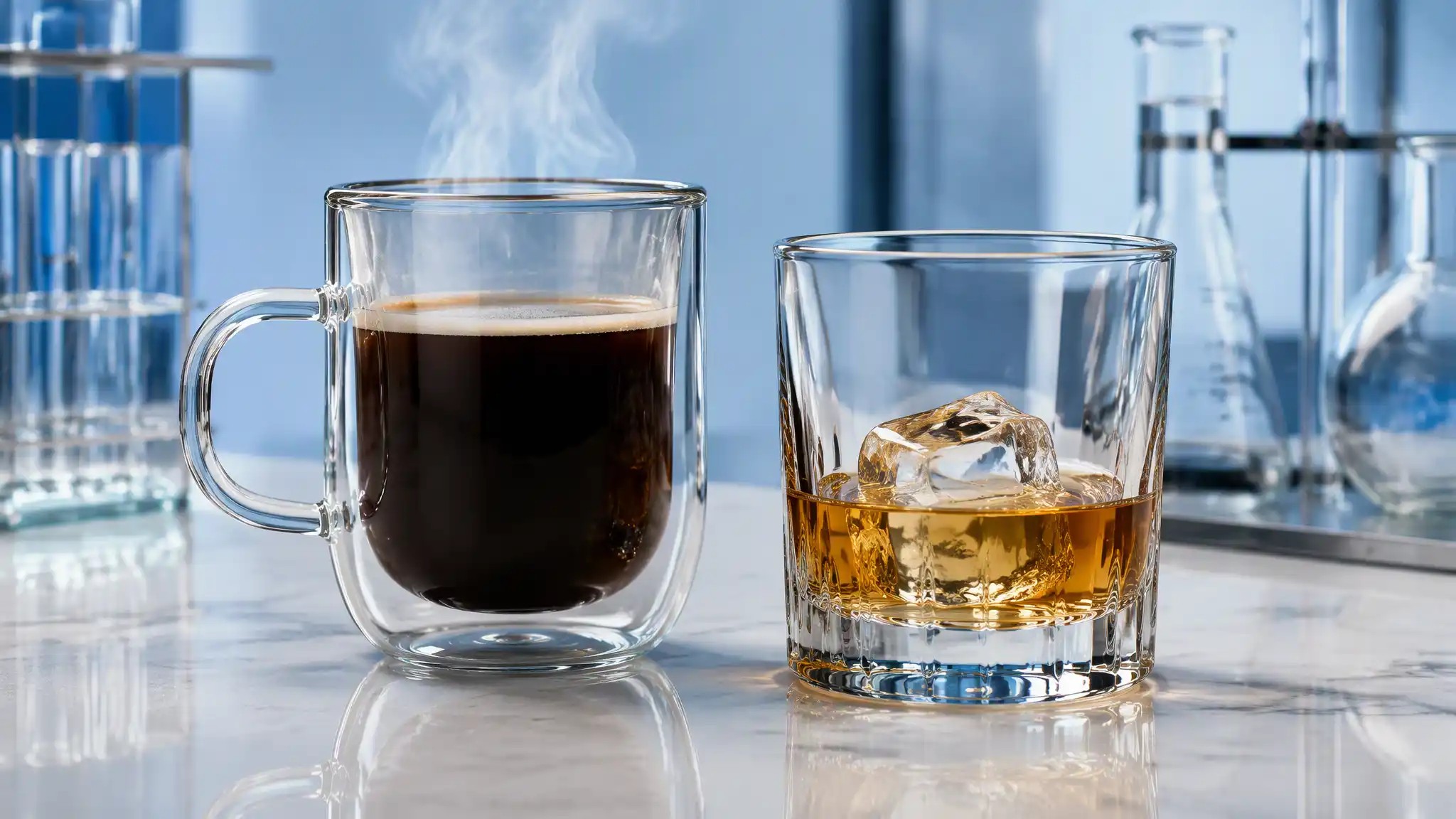
Borosilicate Glass (COE 3.3) excels in extreme thermal shock resistance (-20°C to 150°C), making it ideal for boiling coffee, iced tea, and double-wall insulated mugs. Soda-Lime Glass has higher density and mechanical hardness, making it ideal for heavy-bottomed whiskey tumblers, beer steins, and cost-effective high-volume bar glassware.
1. Technical Properties Comparison
| Engineering Metric | Borosilicate Glass 3.3 | Commercial Soda-Lime Glass |
|---|---|---|
| Thermal Expansion (COE) | 3.3 × 10⁻⁶ / K (Low expansion) | 8.5–9.0 × 10⁻⁶ / K (Standard) |
| Thermal Shock Tolerance | ΔT = 150°C (Freezer to Boiling) | ΔT = 50°C–60°C (Requires gradual tempering) |
| Density & Weight | 2.23 g/cm³ (Lightweight feel) | 2.52 g/cm³ (Substantial, weighted feel) |
| Primary B2B Product Categories | Double-wall mugs, teapots, floral cups | Whiskey tumblers, beer steins, highball glasses |
2. Sourcing Recommendations for Importers
Choose Borosilicate Glass if you are creating modern coffee ware, thermal mugs, or lifestyle gift sets that undergo microwave or boiling water use. Choose Soda-Lime or Lead-Free Crystal if you need tactile weight, heavy bottoms, or commercial durability for hospitality venues.
Need Help Selecting Materials or Custom Molds for Your Project?
Jingyue Glass produces both high-purity borosilicate double-wall lines and commercial crystal glassware.
Request Material Consultation & Quote →Discuss Your Custom Glassware & Gifting Project
Send your glassware selection, decoration artwork, and target quantities. Our engineering team provides itemized B2B quotations and digital mockups within 1 hour.
💬 Request Custom Project Prototyping & Quote →